Sea turtles have roamed the ocean for over 150 million years, but their existence is under threat due to plastic pollution in the ocean. Six of the seven sea turtle species on Earth are currently at risk.
According to the WWF, approximately 20 million tonnes of plastic waste ends up in aquatic ecosystems. Plastic pollution affects sea turtles throughout their lifecycle. From the moment they hatch, they risk injury or death because they ingest or get entangled in plastic.
The effect of pollution on us and our environment is well documented, but the decline of sea turtles could seriously impact our marine ecosystems. Read on to find out why and what you can do to help, both at home and in the field as a turtle conservation volunteer.
Why is it important to save sea turtles?
If sea turtles disappear from the ocean, it wouldn’t only be a huge loss for future human generations, it would also threaten other marine life.
The Marine Conservation Society discusses why sea turtle species are essential to the health of marine ecosystems, including:
- The critically endangered Hawksbill Sea Turtle protects coral reefs by grazing on sponges that would otherwise outgrow the corals. If sponges were left to grow unchecked, they would cover the corals and kill the reef.
- The endangered Green Sea Turtles graze on seagrass beds, which promotes healthier and faster seabed growth. This is important because seagrass beds are homes, nurseries, and feeding grounds to many species of fish and other marine animals.
- The vulnerable Leatherback Sea Turtle’s main food source is jellyfish. Jellyfish eat larval fish and, if left unchecked, could further reduce the population of fish in the ocean, which are already under heavy stress from overfishing and pollution.
Protecting sea turtles is essential for a healthy ocean, and we need a healthy ocean to survive.

Why is plastic pollution killing sea turtles?
Plastic pollution affects sea turtles daily, posing several issues throughout a sea turtle’s lifecycle:
- Laying eggs: Sea turtles lay eggs by digging holes in the sand. Sometimes, there is so much waste on nesting beaches that the female turtles aren’t able to dig through it and give up on laying their eggs. When as few as 1 in 1,000 eggs will survive to an adult turtle, successfully creating a nest is crucial.
- Access to the ocean: Releasing tiny turtle hatchlings is a dream on many people’s bucket lists. But, if the beach is full of waste, baby turtles can easily get disoriented or entangled and never make it to the water.
- Eating plastic: When turtles ingest plastic, it can cause injuries to internal organs, intestinal blockages in the stomach, and suffocation. This results in malnutrition, reduced growth rate and even death. Hatchlings and young turtles are especially vulnerable to this as they cannot easily distinguish plastic from prey.
- Getting entangled: Waste like fishing nets on the surface of the ocean or underwater pose a serious threat to sea turtles as they cannot breathe underwater. If they get entangled and cannot escape, they will drown. Approximately 1,000 turtles die every year after getting entangled in plastic.
The exact number of sea turtles that die as a result of plastic pollution every year is unknown, but researchers estimate that over half of all turtles in the world have ingested plastic.
The good news? You can help.
Steps to take at home to help save the sea turtles
Even though the situation is urgent for the sea turtles, it’s important to remember that there is still hope. You can start helping from home, but if you’re really passionate, you could end up on a sandy beach thousands of miles away…
- Reduce: Plastic packaging is one of the biggest contributors to plastic pollution. By trying to reduce the amount of plastic you buy, you’ll directly reduce the amount of plastic waste in the environment.
- Reuse: Avoid single-use plastic like bags, bottles, and straws and use their reusable or more environmentally-friendly alternatives. Watch out for hidden plastics like tea bags, chewing gum, and wet wipes where possible.
- Recycle: Though harmful, plastic is useful and almost impossible to avoid. Since it is not biodegradable, it is important to sort your rubbish so that your recyclable plastic can be used to make new products and prevent the production of more.
- Avoid microplastic: Plastic pieces smaller than 5 mm in length are called microplastics. Microplastics have been found everywhere, from the deepest part in the Mariana trench to inside animals and humans. Try to use toothpaste, makeup, shampoo, and cleaning products without them.
We don’t yet know how harmful microplastics are to humans or animals. They could be toxic, or work as vectors accumulating and spreading toxins, bacteria and viruses.
How to get involved as a sea turtle volunteer
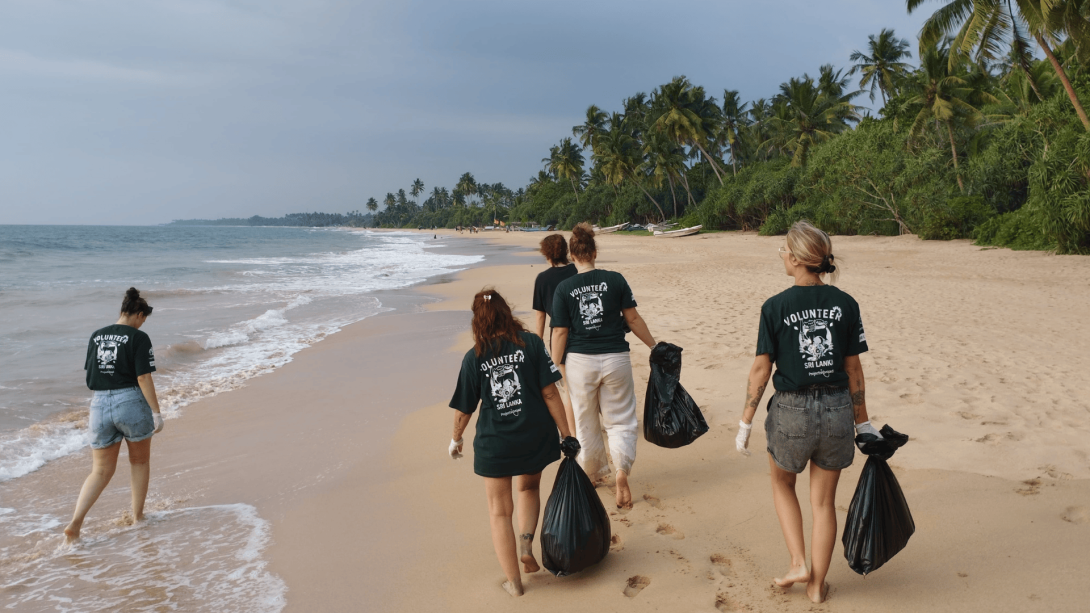
If you are looking for more hands-on work or are interested in a turtle conservation holiday, you can volunteer to save sea turtles and reduce plastic pollution. By volunteering with turtles, you could dive in and support beach and ocean clean-ups, rehabilitation programmes, nest patrols, and community education.
We have four conservation projects around the world that are focused on volunteer work with sea turtles:
Sea Turtle Conservation in Mexico
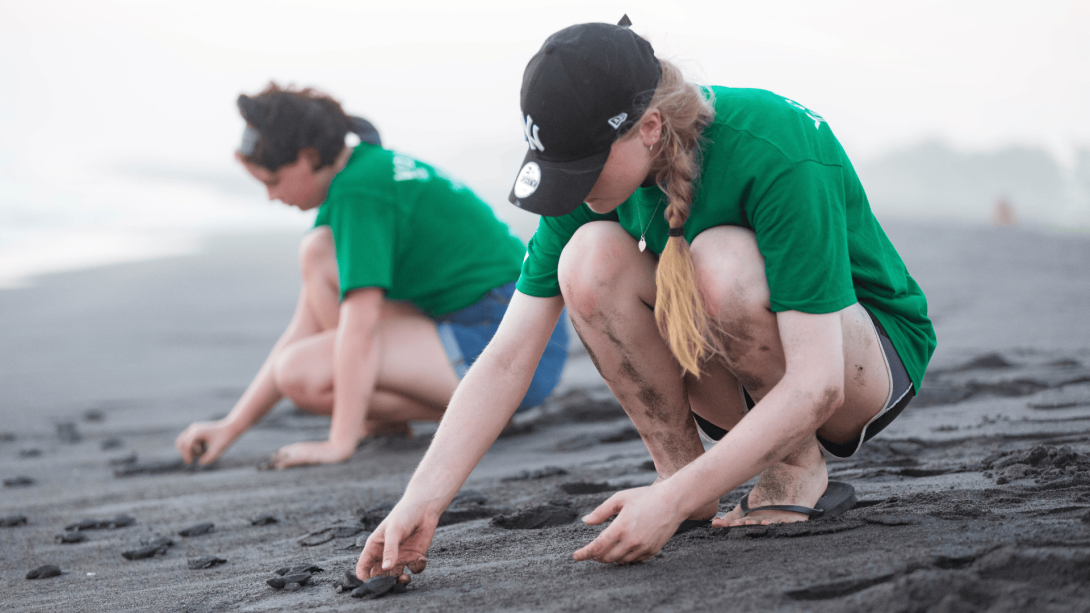
Travel to the stunning sandy beaches of La Penita de Jaltemba, a picturesque town on the Pacific coastline of Mexico. Work with expert conservationists to protect and move turtle nests, conduct important environmental research, and even release baby sea turtles at sunset.
This conservation project also includes work at a local crocodile sanctuary, community beach cleans, and nature walks. Available for both teens aged 15 to 18 and adults!
Sea Turtle Conservation in Sri Lanka
We also offer a dedicated sea turtle conservation project in Sri Lanka, where you’ll work on the gorgeous Galbokka beach. Alongside local experts, you’ll conduct nighttime patrols to locate nests, collect the eggs, and store them in a safe location away from poachers.
Then, you’ll check on the turtles as they grow, washing their tanks, preparing their food, and rehabilitating injured adults. You’ll also head out into the local community and create presentations to educate people of all ages about the importance of marine ecosystems. Available for teens aged 14 to 18 and adults.
Sea Turtle & Coastal Conservation in the Maldives for Teenagers
Just for teenagers aged 14 to 18, this project takes you to the famous white-sand beaches of the Maldives. You will work to protect coral ecosystems and sea turtles alongside local experts while snorkelling in crystal clear, warm water.
You’ll conduct coral surveys and beach cleans to keep the ecosystem safe and healthy, while also spending time volunteering at a marine centre to care for rescued sea turtles. You’ll even get to learn plenty of new skills with detailed conservation workshops.
Sea Turtle, Monkey & Wildlife Conservation in Costa Rica for Teenagers
This project is split 50/50 between volunteer work with turtles on the coast and with wildlife in the rainforest, all in one of the happiest countries in the world; Costa Rica. You’ll do beach cleans and anti-poaching patrols for the turtles while setting up camera traps and conducting reforestation efforts inland.
This project is also exclusive for teenagers aged 14 - 18 and perfectly balances two distinct types of conservation, teaching valuable skills for your career and in general life.
Interested in more articles like this?
Sign up to our newsletter to get insightful articles, updates, and offers from Projects Abroad straight into your inbox every single month.
Onze partners